
The Hidden Cause of Transmission Damage
CVT cooler failure can quietly cause overheating or coolant contamination, leading to rapid transmission damage. Learn symptoms, diagnosis steps, and prevention tips.

February 26, 2026
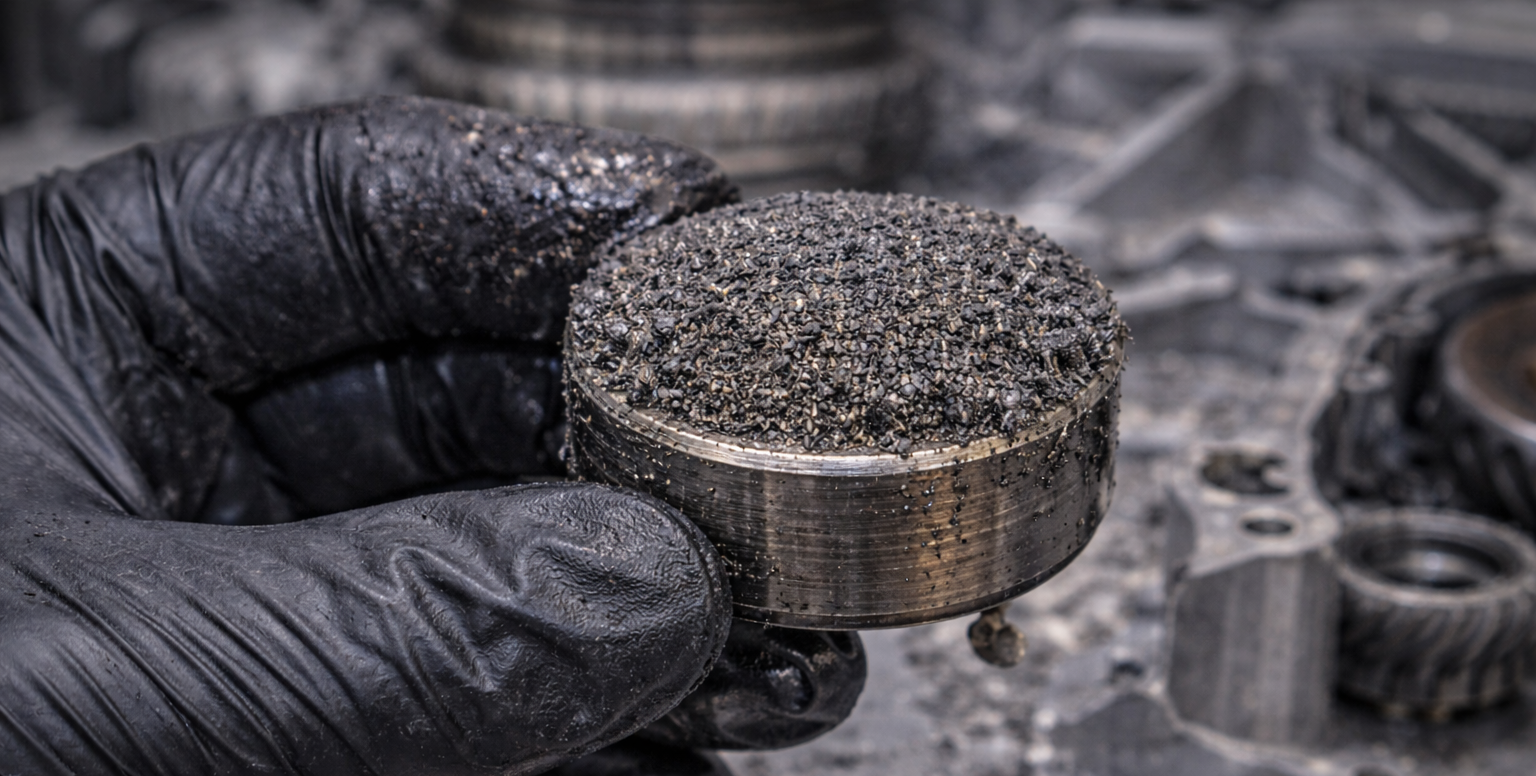
Table of contents
CVT Cooler Failure, a Hidden Cause of Transmission Damage
CVTs rely on stable fluid temperature and clean fluid more than most transmissions. When the cooling system is not doing its job, you can end up with damage that looks like a “random CVT failure”, even though the real cause started outside the gearbox.
A CVT cooler issue is often missed early because the vehicle can still drive “mostly fine” while the fluid is slowly overheating, oxidising, foaming, or becoming contaminated. By the time you get harsh judder, slipping, pressure control faults, or limp mode, the root cause may have been present for weeks or months.
What the CVT cooler actually does
CVT fluid does more than lubricate. It also transmits hydraulic pressure and helps the pulley and belt system operate correctly. Excess heat reduces the fluid’s ability to protect and control friction surfaces and hydraulic circuits, and that heat damage can snowball quickly. Industry resources consistently describe heat as a major driver of automatic transmission wear and fluid breakdown, and the entire purpose of the cooler circuit is to pull that heat back out of the fluid.
Many vehicles cool CVT fluid using one (or a mix) of these setups:
- Coolant-to-fluid heat exchanger (often mounted on the transmission or integrated into the radiator end tank)
- Air-to-fluid external cooler (auxiliary cooler, typically in front of the radiator)
- Thermostatic control (to help the fluid warm up appropriately, then regulate flow through the cooler under load)
Some manufacturers even supply service procedures and parts kits for external CVT coolers on certain applications, which highlights how critical cooler flow and heat management are.
Two failure modes that quietly kill CVTs
CVT cooler problems usually fall into two buckets: overheating due to poor cooling, or cross-contamination due to an internal leak.
1) Overheating from restricted flow or weak cooling
This is the slow-burn failure.
Common causes include:
- Blocked cooler passages (debris, varnish, sludge from old fluid, or metal after a previous failure)
- Kinked, crushed, or internally delaminated cooler lines
- Thermostat issues (stuck closed, or poor regulation)
- Externally clogged auxiliary cooler fins (mud, bugs, bent fins, airflow restrictions)
- Improper repairs (wrong hose routing, incorrect fittings, non-rated hose)
Why it matters: once fluid repeatedly runs too hot, it oxidises and loses protective properties. That can harden seals, change viscosity, and reduce hydraulic control stability. Heat-related transmission damage and fluid breakdown are widely discussed in transmission industry resources for modern units.
2) Coolant and CVT fluid cross-contamination (heat exchanger failure)
This is the “silent grenade”.
If a coolant-to-fluid heat exchanger cracks internally, you can get:
- Coolant entering the CVT fluid, or
- CVT fluid enters the coolant, depending on pressure conditions
Even small amounts of coolant in CVT fluid can destroy lubrication and friction characteristics, promote corrosion, and lead to rapid internal damage. Symptoms may look like a failing transmission, but the trigger was the cooler.
Early warning signs most people miss
Cooler failures do not always start with obvious noises. Watch for these patterns:
Driving symptoms
- Intermittent judder on take-off or during light acceleration
- Surging or “rubber band” flare that worsens when hot
- Reduced power or temperature protection behaviour (some vehicles will limit performance if CVT fluid temperature rises)
- Delayed engagement, inconsistent ratio changes, or harshness once warmed up
Fluid and cooling system clues
- Burnt smell from transmission fluid, or noticeably darkened fluid
- Milky, strawberry, or foamy transmission fluid (classic contamination indicator)
- Oily residue in the coolant reservoir, or coolant that looks “slick”
- Unexplained coolant loss, or recurring overheating complaints with no clear engine cause
Workshop scan data clues
- CVT fluid temperature trending high under normal driving
- Temperature spikes under light load (can hint at restricted flow)
- Temperature recovery is slow after load is removed (the cooler is not pulling heat out)
How a workshop should diagnose it
A good diagnosis checks both temperature control and the possibility of cross-contamination.
Confirm whether overheating is real
- Road test with live data logging (CVT fluid temperature, engine coolant temperature, commanded ratio, line pressure where available)
- Compare temperature behaviour under steady cruise vs hills or stop-start
- Inspect the cooler airflow and the cooler fin condition if an external cooler is fitted
Check for contamination properly
- Inspect CVT fluid on a clean white cloth: look for milkiness, foam, or unusual separation
- Inspect the coolant reservoir and radiator neck (when stone cold) for oily film
- Pressure test the coolant system and, where appropriate, check the heat exchanger integrity
- If contamination is suspected, avoid prolonged running; every minute can worsen internal damage
Inspect the cooler circuit and flow integrity
- Visual inspection of hoses, clamps, routing, and signs of seepage
- Look for restrictions, crushed lines, or incorrect hose types
- Consider that after any internal transmission failure, cooler circuits can be packed with debris, and simply replacing the transmission without properly addressing the cooler can lead to repeated failure
What to do if you suspect CVT cooler failure
If you are a vehicle owner, the safest move is to stop driving it and get it assessed. If it is only overheating, you might save the unit by fixing the cooler issue and servicing it correctly. If there is coolant contamination, the risk of internal damage rises quickly.
If it is overheating only
- Fix airflow or restriction issues first (cooler fins, line damage, thermostat issues)
- Use the correct CVT fluid spec and follow the manufacturer’s fill and level-setting method
- Consider whether an auxiliary cooler is appropriate for your use case (towing, hills, heavy stop-start)
If there is coolant contamination
- Treat it as urgent
- The heat exchanger or radiator cooler section must be replaced, then both systems need to be cleaned appropriately
- Be aware that “flush and pray” is not always successful once coolant has circulated inside the transmission, especially if it has been driven for any distance
Prevention that actually works
You do not need to overcomplicate this. The goal is a stable temperature and clean fluid.
- Service CVT fluid on the right schedule for New Zealand conditions, especially if the vehicle does lots of hills, short trips, towing, or stop-start driving
- Keep the cooling system healthy, because coolant-to-fluid heat exchangers rely on clean coolant and proper cooling system pressure
- Inspect cooler airflow paths at service time if an external cooler is fitted
- After any transmission failure, insist the cooler circuit is properly addressed, not just the gearbox swapped
Final Thoughts
CVT cooler failure is one of the easiest ways to lose a transmission without noticing the warning signs in time. Whether it is gradual overheating from restricted cooling or sudden cross-contamination from a leaking heat exchanger, the outcome is often the same: damaged fluid, unstable pressure control, and expensive internal wear.
If a CVT problem only shows up when hot, if you see any sign of milkiness in the fluid, or if the coolant and transmission systems show unexplained contamination, put the cooler system at the top of your suspect list. Heat management is not an optional extra for a CVT; it is part of the transmission’s survival plan.
- By
- CVT Team
Share this post