
CVT Bearings: Warning Signs, Diagnosis, Repair vs Replace Guide (NZ)
Learn the most common CVT bearing failure symptoms, how to diagnose whining and humming noises, what metal in the fluid means, and when to repair vs replace your CVT transmission. Practical NZ-focused advice and next steps.

February 26, 2026
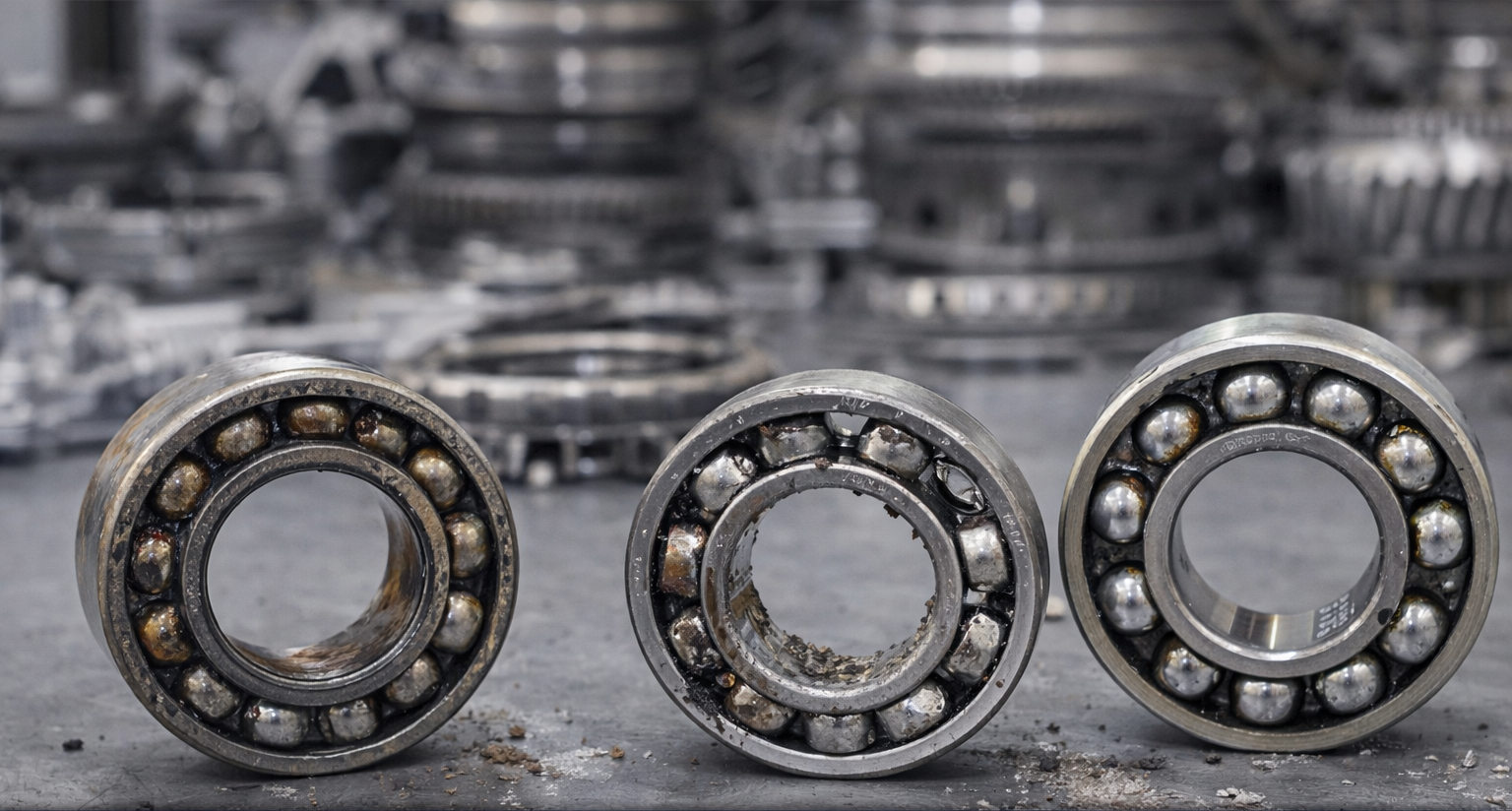
Table of contents
CVT Bearings: How to Know When It’s Time to Replace or Repair
CVT bearings carry the load of key rotating components inside the transmission. When they begin to wear, the symptoms are often subtle at first, a faint whine, a low hum, or a new vibration, then they build over time. The earlier you catch a bearing issue, the better your chances of limiting internal damage and keeping repair options open.
This guide covers what CVT bearings do, the most common warning signs, what usually causes bearing wear, and how to decide whether repair is realistic or replacement is the smarter move.
What CVT bearings do, and why they fail
Bearings support shafts and pulley assemblies, keeping everything aligned while reducing friction and heat. In a CVT, correct alignment matters more than most transmissions because the belt or chain relies on stable pulley geometry and consistent oil control.
Bearing wear often starts from one or a mix of these factors:
- CVT fluid that is old, incorrect, low, or contaminated
- Excess heat from heavy loads, hills, towing, or stop-start driving
- Debris circulation once wear begins, which accelerates damage
- Misalignment, pulley wear, or internal component stress over time
The most common warning signs of CVT bearing wear
Whining, humming, or growling that rises with speed
A bearing that is starting to fail often makes a smooth, consistent noise that becomes more noticeable as road speed increases. It may sound like a whine, a drone, or a low growl, especially at steady speeds.
A helpful clue is whether the noise follows vehicle speed rather than engine RPM. If it is closely tied to road speed, bearings become more likely.

Noise that changes with throttle load
Bearing noise often changes when the transmission is under load. If it is louder during acceleration and reduces when you lift off, that load sensitivity can point toward internal bearing wear.
New vibration or a rough “buzz” under light throttle
As clearances increase, a shaft can run slightly out of true. That can show up as a vibration that appears at certain speeds, or a roughness under gentle acceleration. This can feel like something is “not smooth”, even if the engine is running fine.
Metallic debris in the oil or on the magnet
Many CVTs have a drain plug magnet or pan magnets. Some fine paste can be normal, especially with age, but warning signs include:
- Shiny flakes
- Slivers or needle-like fragments
- A sudden increase in debris compared to the last service
- Visible metal in the drained fluid
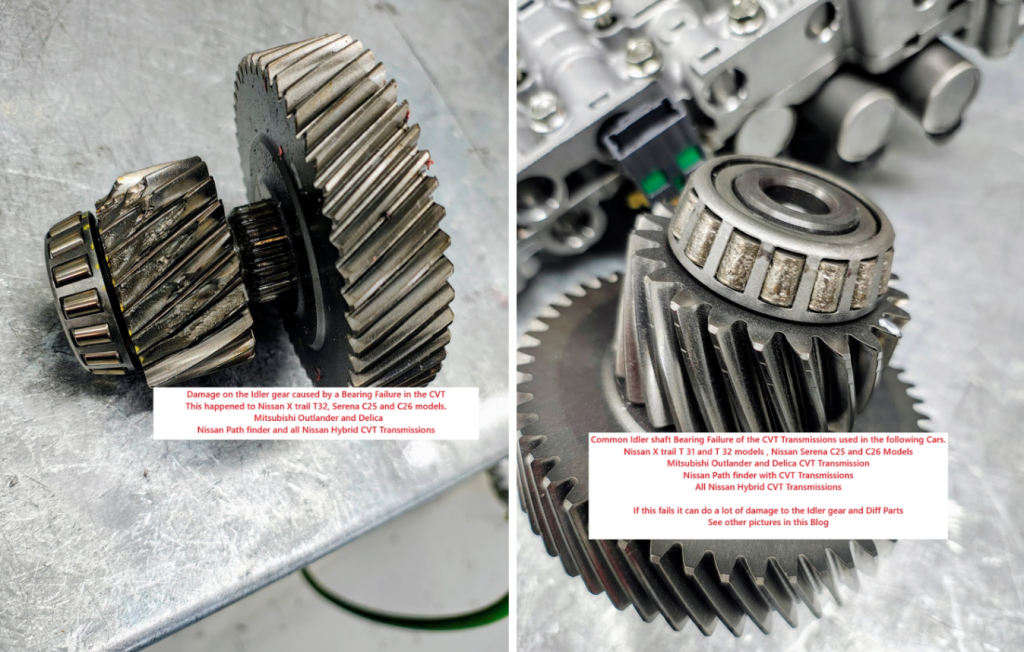
Once metal is circulating, it can damage pumps, solenoids, valve bodies, pulley surfaces, and the belt or chain.
Burnt smell, darker fluid, or overheating behaviour
Bearing friction creates extra heat. You may notice the CVT fluid has darkened, smells burnt, or the vehicle feels worse after longer drives, hills, or hot conditions. Overheating can also trigger protective behaviour in some vehicles, reducing performance to protect components.
Delayed engagement or inconsistent drive feel
While these symptoms can have multiple causes, bearing wear can contribute to internal pressure loss or inconsistent operation. Signs can include slow engagement into Drive or Reverse, surging, or an unsettled feeling during ratio changes.
Grinding or harsh rumbling that worsens quickly
If the sound has moved from a smooth whine into grinding, rumbling, or harsh vibration, that can indicate more serious damage. At this stage, continued driving can quickly multiply the repair cost.
CVT bearing symptoms vs other common causes
Wheel bearing noise
Wheel bearings often get louder when turning one direction and quieter when turning the other, because of the cornering loads on that side of the car. CVT bearing noise is more likely to change with throttle load and may come with fluid contamination signs.
Tyre noise
Tyre roar often changes with the road surface and can be inconsistent between coarse chip and smooth seal. It usually does not change much between acceleration and coasting.
Driveline or CV joint issues
CV joints are more likely to click on turns or clunk on take-off. They can create vibration under load, but they will not put metal into the CVT fluid.
What causes CVT bearings to wear out faster
Incorrect or degraded CVT fluid
Wrong fluid spec, low fluid, or long intervals without servicing can reduce lubrication and increase temperature. CVTs are particularly sensitive to fluid condition because the fluid supports both lubrication and hydraulic control.
Heat and high load driving
Short trips, stop-start driving, long hill climbs, and towing can push heat into the transmission. Heat breaks down fluid faster and reduces the protective film that bearings rely on.
Contamination and debris circulation
Once wear begins, debris becomes a chain reaction problem. Fine metal particles circulate and can score surfaces, block passages, and accelerate wear across the transmission.
Existing internal wear
Pulley wear, belt or chain wear, and misalignment can increase bearing load and shorten bearing life.
Repair vs replace: How to make the call
When a bearing repair is more realistic
Repair is generally more achievable when the issue is caught early, and contamination is limited, for example:
- Noise is mild and has started recently
- Little to no visible metallic debris (no flakes or fragments)
- Fluid is not burnt, and overheating has not been frequent
- Driveability is mostly normal
- Diagnosis suggests the issue is isolated rather than widespread
In this window, a bearing-focused repair can make sense, especially if the workshop is experienced with CVT rebuild work, and the root cause is addressed.
When replacement or a full rebuild is more likely
Replacement or a full rebuild becomes more likely when there is evidence that the problem has spread, such as:
- Loud noise, grinding, or rapid worsening
- Visible metal flakes or fragments in the oil
- Burnt fluid or heavy contamination
- Persistent overheating behaviour
- Slipping, surging, ratio errors, or fault codes alongside noise
In these cases, replacing bearings alone may not be enough because debris can have already damaged the pump, valve body, pulleys, and belt or chain surfaces.
What to do if you suspect CVT bearing wear
Note when it happens and what changes it:
- The speed range where it is most noticeable
- Whether it is louder on acceleration or on coast
- Whether it changes when turning left vs right
- Whether it is hotter than cold
This helps separate internal transmission noise from wheel bearings or tyres.
Check the service history and fluid condition
Even if you do not inspect the fluid yourself, a workshop can check for contamination and compare what they find to what is normal for that transmission.
Get it diagnosed early
Early diagnosis is the difference between a controlled repair and a cascading failure. If the noise is new, treat it as an early warning and book it in before metal contamination becomes severe.
Final thoughts
CVT bearing problems usually give you warnings before they become catastrophic. A new whine, hum, growl, or vibration that changes with speed or throttle load is worth taking seriously, especially if the fluid shows signs of metal contamination or overheating. If you catch bearing wear early, you can often protect the rest of the transmission and keep repair options on the table. If you keep driving through worsening noise, the likelihood of widespread internal damage increases fast.
- By
- CVT Team
Share this post